
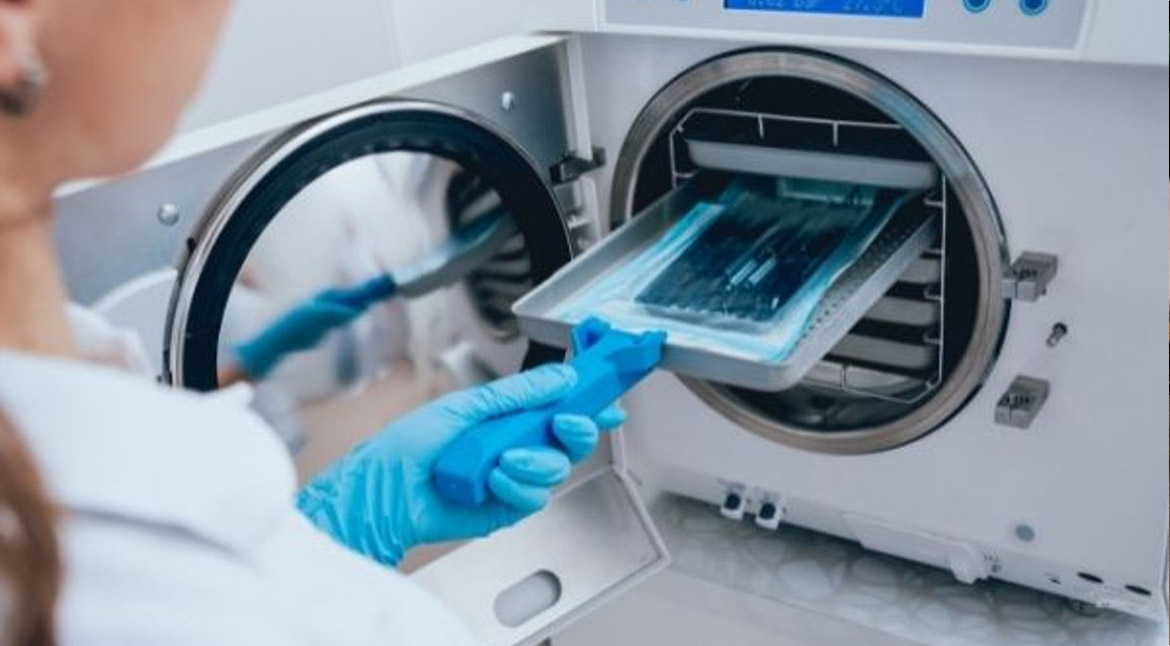
In today’s fast-paced medical environment, ensuring patient safety is more critical than ever. One of the most essential yet often overlooked components of hospital safety protocols is sterilization. From surgical tools to linens, every reusable item in a healthcare facility must be properly sterilized to prevent infections. In this blog, we explore why sterilization is vital in hospitals and how it forms the backbone of effective infection control.
What is Sterilization?
Sterilization is a process that eliminates or kills all forms of microbial life, including bacteria, viruses, fungi, and spores, on medical equipment and surfaces. It ensures that any object used in patient care is free from harmful pathogens that could cause infection.
Why Sterilization is Crucial in Hospitals
1. Prevention of Hospital-Acquired Infections (HAIs)
Hospital-Acquired Infections are a major threat to patient safety. Inadequate sterilization can lead to infections such as surgical site infections (SSIs), urinary tract infections, bloodstream infections, and pneumonia. Proper sterilization significantly reduces the risk of HAIs and improves recovery outcomes.
2. Protects Patients with Weakened Immunity
Many hospital patients, especially those undergoing surgery, chemotherapy, or ICU treatment, have weakened immune systems. They are more vulnerable to infections, making sterile conditions a non-negotiable requirement.
3. Compliance with Healthcare Regulations
Healthcare facilities must adhere to strict infection control guidelines laid out by organizations such as the World Health Organization (WHO), CDC, and local health authorities. Sterilization plays a key role in maintaining compliance and avoiding legal or accreditation issues.
4. Ensures Safe Reuse of Medical Instruments
Many critical instruments—like surgical tools, endoscopes, and catheters—are reusable. Without proper sterilization between uses, these instruments can become vectors of cross-contamination and infection.
5. Boosts Trust and Reputation
Hospitals known for cleanliness and stringent sterilization practices gain higher patient trust and professional credibility. It enhances the overall patient experience and builds a stronger institutional reputation.
Common Sterilization Methods Used in Hospitals
Autoclaving (Steam Sterilization) – The most widely used method for metal instruments and surgical tools.
Ethylene Oxide (ETO) Sterilization – Suitable for heat-sensitive medical devices.
Dry Heat Sterilization – Used for glassware and metal instruments.
Plasma Sterilization – An advanced, low-temperature sterilization method.
Hot Water Shower Sterilization – Ideal for sterilizing large volume parenterals and fluids in sealed containers.
Challenges and the Way Forward
While sterilization is vital, it comes with challenges like proper staff training, equipment maintenance, and process monitoring. Investing in automated sterilizers, SCADA-based monitoring systems, and modern Central Sterile Supply Departments (CSSDs) can help hospitals maintain consistency, safety, and efficiency in sterilization practices.
Conclusion
Sterilization is not just a backend process—it’s a critical pillar of patient care and hospital safety. Effective infection control starts with sterile equipment, trained personnel, and reliable sterilization infrastructure. Hospitals must view sterilization not as a cost, but as an investment in quality healthcare and patient trust.
If you’re looking to upgrade your sterilization equipment or need expert guidance, Sun Sterifaab offers advanced, reliable, and fully customizable solutions for healthcare institutions of all sizes.
