
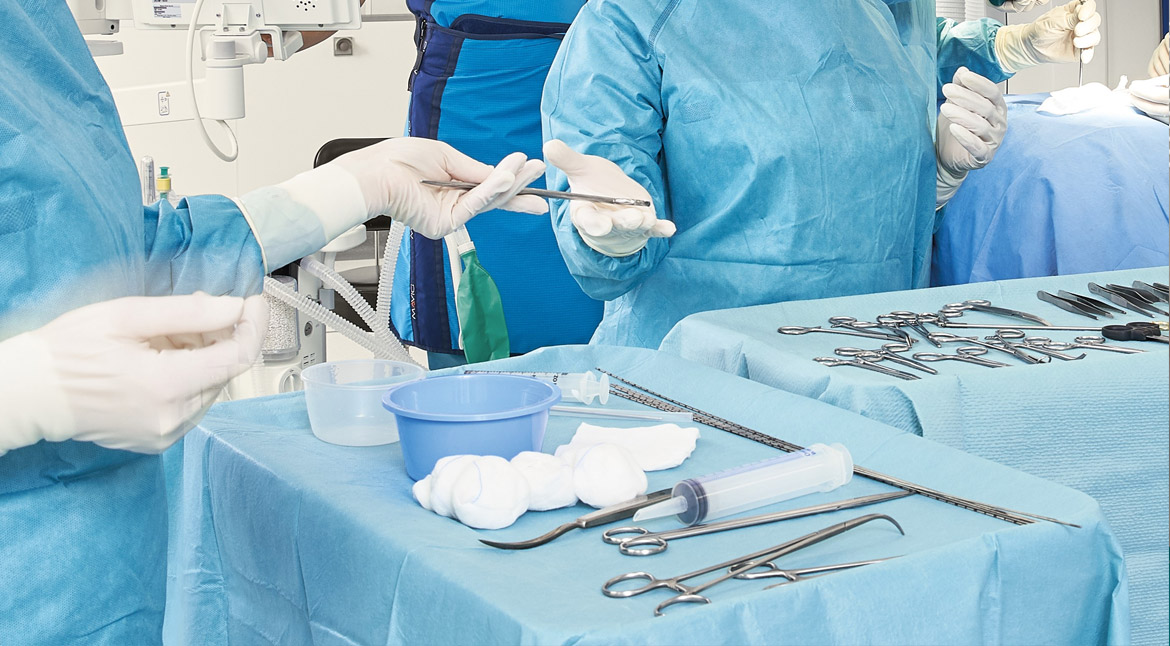
In today’s healthcare landscape, preventing infections isn’t just about hygiene—it’s about survival. Healthcare-Associated Infections (HAIs) are a growing global concern, affecting millions of patients annually. These infections not only prolong hospital stays and increase costs but also put lives at risk. Fortunately, with robust infection control practices and reliable sterilization systems, HAIs are preventable.
What Are Healthcare-Associated Infections (HAIs)?
HAIs are infections that patients acquire while receiving treatment in a healthcare facility, such as a hospital, clinic, or nursing home. These infections typically develop 48 hours or more after admission and are not present or incubating at the time of entry.
Common types of HAIs include:
Surgical Site Infections (SSIs)
Catheter-Associated Urinary Tract Infections (CAUTIs)
Ventilator-Associated Pneumonia (VAP)
Central Line-Associated Bloodstream Infections (CLABSIs)
Clostridium difficile (C. diff) infections
Why Infection Control is Critical
HAIs are not only dangerous—they’re costly and largely preventable. According to the World Health Organization (WHO), 7 out of every 100 hospitalized patients in developed countries and 10 in developing countries acquire at least one HAI.
Consequences of HAIs:
Increased patient morbidity and mortality
Prolonged hospital stays and readmissions
Higher treatment costs for hospitals and families
Increased antibiotic resistance
Reputational damage and legal risks for healthcare institutions
Key Strategies for HAI Infection Control
1. Sterilization of Medical Equipment
Proper sterilization ensures that instruments used in surgeries and procedures are free of microorganisms. Autoclaves, ETO sterilizers, and Hot Water Shower Sterilizers are essential to maintain sterile conditions.
2. Hand Hygiene Compliance
Healthcare workers must follow strict handwashing protocols before and after patient contact.
3. Environmental Cleaning
Regular disinfection of hospital surfaces, ICUs, and operating rooms reduces microbial presence in high-risk areas.
4. Use of Personal Protective Equipment (PPE)
Masks, gloves, gowns, and face shields help prevent the transmission of pathogens between healthcare workers and patients.
5. Proper Waste Disposal and Biomedical Waste Management
Improper disposal of contaminated items can create hotspots for bacterial and viral growth.
6. Monitoring and Data Analysis
Tracking infection trends helps hospitals identify risks early and take corrective action. Integration with SCADA software in sterilizers helps maintain accurate records for compliance and audits.
How Sun Sterifaab Supports HAI Infection Control
At Sun Sterifaab, we design and manufacture high-performance sterilization equipment that meets global standards like ISO, CE, FDA, and ASME. Our products are engineered with:
Advanced PLC and SCADA automation
Temperature and pressure accuracy
Safety locks and cycle monitoring
Data logging for traceability and audits
From Class B autoclaves to ETO sterilizers, we provide tailored solutions for hospitals, clinics, and pharma industries to strengthen their infection control programs.
Conclusion
Healthcare-Associated Infections are a serious threat—but they are not inevitable. With the right combination of sterilization, hygiene practices, staff training, and advanced equipment, hospitals can significantly reduce the risk of HAIs. At the heart of this defense lies sterilization—a quiet but powerful force that protects both patients and caregivers.
Partner with Sun Sterifaab to build safer healthcare environments—where infection prevention begins with trust.
